The Cost of Bad Furniture Assembly in the Workplace and How Professional Installation Saves the Day

The cost of bad furniture assembly can include unsafe workstations, damaged furniture, lost productivity, repeated repairs, warranty concerns, and delayed move-in readiness. The risk depends on furniture type, installer skill, hardware quality, anchoring needs, building rules, employee count, project size, cubicles, chairs, desks, filing cabinets, storage units, and whether the work happens during business hours.
- Bad assembly can create workplace safety concerns
- Poor setup can damage expensive commercial furniture
- DIY assembly wastes valuable employee time
- Professional installers follow a clearer build process
- Better installation helps protect the office budget
Cheap Assembly Can Become an Expensive Workplace Problem
Office furniture assembly may look like an easy budget cut, but rushed setup often leads to safety concerns, damaged assets, slower workflows, and added labor later. What starts as a small savings can quickly turn into chair instability, cabinet tipping concerns, crooked cubicles, and unfinished workstations that disrupt the whole office.
For office managers, business owners, and facilities directors, that is the real issue. Poor installation can cost more than the original service fee once rework, complaints, delays, and furniture damage enter the picture. In many cases, same-day office furniture installation planning is the smarter path because it helps protect schedules, people, and the furniture investment from day one.
Bad Furniture Setup Creates Risk Before Work Even Starts
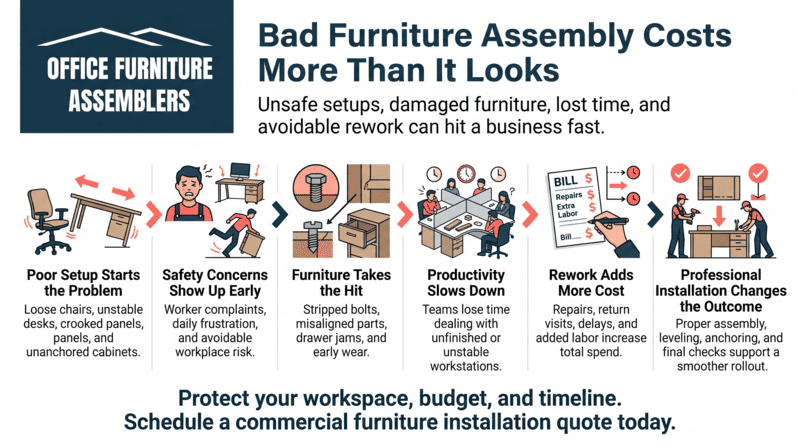
Bad office furniture assembly means workstations, chairs, cubicles, desks, filing cabinets, or storage units are built with loose hardware, poor alignment, missing supports, weak anchoring, or skipped manufacturer steps that can affect safety, usability, and long-term value.
In a busy office, small setup mistakes turn into real operational problems fast.
- Loose task chair arms can trigger employee complaints
- Unlevel desks can affect monitor placement and daily comfort
- Wobbling conference tables can reflect poorly on the workspace
- Unanchored cabinets can create storage hazards
- Misaligned parts can cause repeated service calls
That matters in open offices, private offices, shared offices, and hybrid teams alike. Smart office furniture setup without disruption starts with proper installation before employees ever sit down to work.
Task Chairs and Desks Fail Faster When Built Incorrectly
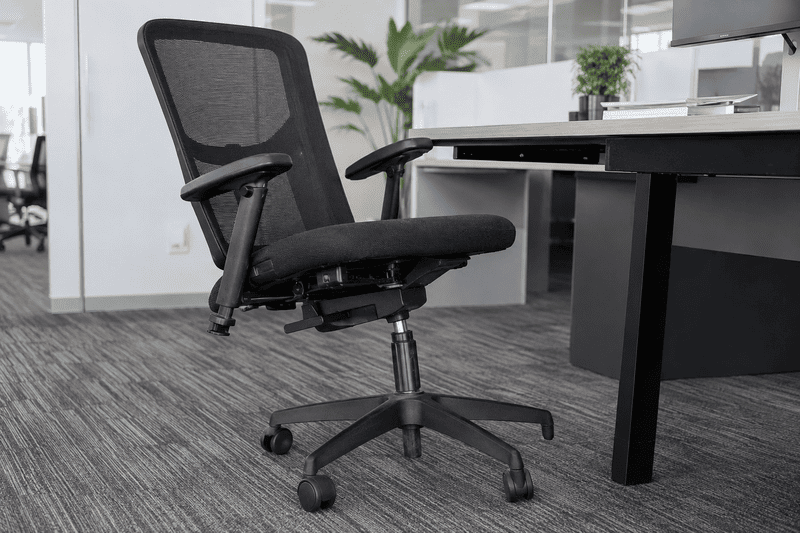
Poorly assembled chairs and desks can wear out faster because loose fasteners, stripped bolts, forced joints, and uneven leveling place stress on parts that were not meant to carry the load that way. As a result, businesses can face early repairs, replacement costs, and avoidable workstation complaints.
Where the build usually goes wrong
A chair may look finished while the base, back, or arms are still under-tightened. A desk may appear stable until daily use exposes bracket misalignment, drawer drag, or rocking corners. That is why many facilities teams compare commercial needs against office chairs for workplace planning and computer desks for office layouts before installation starts.
Common failure points
- Loose chair components after repeated seating
- Drawer jams caused by poor track alignment
- Stripped bolts from over-tightening
- Desk wobble from missed leveling steps
- Surface damage from forced assembly
A qualified professional office furniture assembly service helps reduce those avoidable setup risks.
Cubicle Panels Need More Than Basic Hand Tools
Cubicle installation is rarely a simple bolt-together job because panel systems, connector hardware, work surfaces, power components, and alignment tolerances all have to work together. When one part is off, the entire workstation row can look uneven, feel unstable, or delay occupancy for teams waiting to move in.
Corporate relocations and office expansions often involve reception zones, benching areas, modular workstations, and private office transitions. Facilities directors planning office cubicle installation for businesses usually need more than basic tools and spare labor.
- Panel lines must stay straight across runs
- Brackets need correct placement and tightening
- Work surfaces must align across shared stations
- Access routes matter during active business hours
- Reconfiguration work may need cubicle desk disassembly for office moves
For growing teams, office cubicle installation for growing businesses can also shape how quickly new hires become productive.
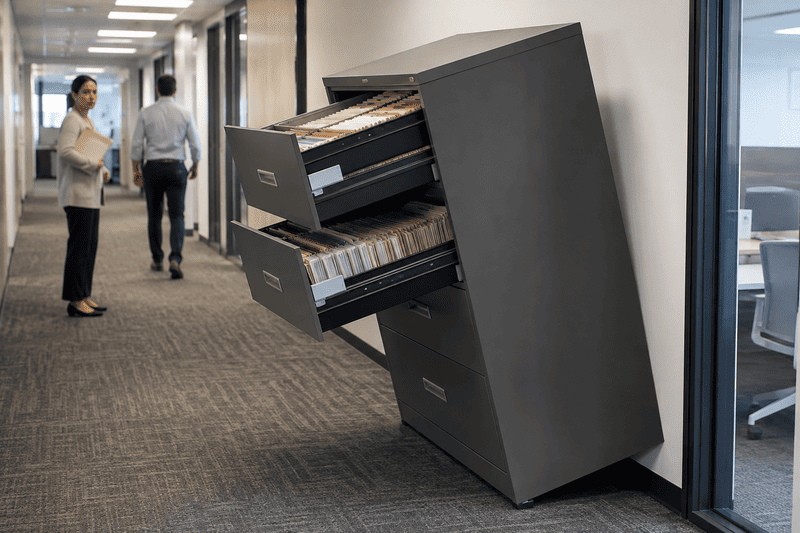
Unanchored Storage Can Turn Into a Daily Safety Concern
Unanchored filing and storage units can become daily hazards when drawers shift weight forward, cabinets sit unevenly, or hardware loosens over time. That does not just affect safety. It can also create workflow frustration, storage access issues, and concerns from HR leaders or property managers during routine workplace use.
Storage trouble is rarely “minor”
Filing cabinets and storage towers often sit in high-traffic areas near workstations, copy rooms, and shared spaces. If a cabinet binds, tips, or jams, employees notice quickly. Guidance on filing cabinet safety and drawer jams is especially useful when teams are reusing older units during an office refresh.
- Multi-drawer opening can shift balance fast
- Uneven floors affect stability
- Missing anchors can increase tip concerns
- Poor alignment can cause drawer jams
- Break areas may also need breakroom lounge furniture assembly services
Employee Time Should Not Be Spent Fighting Instruction Manuals
DIY office furniture setup often costs more in payroll and disruption than decision-makers expect because employees are pulled away from sales, operations, recruiting, customer support, and move coordination. Even a small furniture project can stretch into hours of confusion, interruptions, and unfinished stations.
| Hidden DIY Cost | Workplace Impact |
|---|---|
| Staff pulled from core work | Lower productivity |
| Missing hardware searches | Delayed setup |
| Repeated assembly mistakes | Rework costs |
| Partial workstation completion | Slower team onboarding |
| Improper builds | More repair calls |
Office managers handling hybrid seating plans, lobby layouts for reception planning, or home office organization for better workflow usually need staff focused on operations, not Allen keys and missing washers.
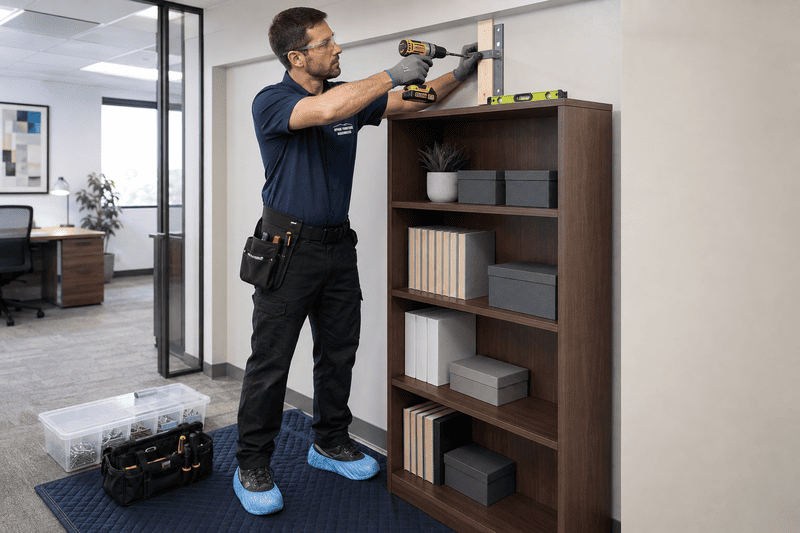
Professional Installation Helps Protect Commercial Furniture Value
Professional installation may help protect furniture value because trained commercial installers follow manufacturer instructions, check fit, and complete final hardware and function reviews before the furniture goes into service. That approach supports better daily performance and helps limit premature wobble, squeaks, loose parts, and obvious finish damage.
- Precision leveling for desks and conference tables
- Correct tightening without stripped hardware
- Stable chair setup and mobility checks
- Panel alignment across workstation rows
- Drawer and glide testing before handoff
That matters whether the office uses workstation systems for modern offices or an executive suite assembly for offices. If warranty questions come up, coverage details should always be confirmed with the manufacturer.
Insurance Paperwork and Building Rules Need Better Planning
Commercial furniture installation often involves more than tools and labor because buildings may require insurance documentation, COI coordination, freight timing, elevator reservations, access windows, or property manager approval. Without planning, a simple setup can turn into delays, rescheduling fees, and crews waiting on clearance.
Why building logistics matter
Operations teams and relocation planners should account for office furniture installation cost planning early, especially when installs happen in occupied space. It also helps to choose the right installation company and understand furniture compliance guidance for businesses before scheduling work. For broader projects, office furniture assembly for workspaces can overlap with layout changes and support planning.

A Stronger Build Supports a More Reliable Workplace
Professional commercial installation helps businesses open faster, operate more smoothly, and reduce avoidable rework because the build process is more controlled from arrival through final placement. That is especially important for growing organizations, shared offices, and active workplaces where loose parts and unfinished stations create visible friction.
When professional help makes the most sense
If the project includes cubicles, filing systems, storage walls, task chairs, executive seating, conference rooms, or phased occupancy, professional installation is usually the practical move. Office Furniture Assemblers helps companies plan safer builds, cleaner timelines, and more reliable day-one readiness.
Request a Commercial Furniture Installation Quote Today
Bad assembly can drain budgets through damaged furniture, staff downtime, delayed setups, and repeated fixes. Professional commercial installation helps protect workplace readiness, furniture value, and schedule control while supporting safer daily use.
If a larger project also needs equipment repair help, it is best to coordinate that early so the workspace is fully ready at handoff.
Get your office setup scheduled now
Office managers, business owners, and facilities directors can request a commercial installation quote or schedule an on-site corporate consultation with Office Furniture Assemblers for office furniture assembly, cubicle installation, filing cabinet safety support, cost planning, and professional workspace setup.
FREQUENTLY ASKED QUESTIONS
What does bad office furniture assembly cost a business?
It can lead to downtime, rework, damaged furniture, employee complaints, and delayed workstation readiness.
Can poor chair assembly create workplace safety concerns?
Yes. Loose bases, arms, or back supports can affect stability and day-to-day use.
Can DIY furniture setup damage commercial desks?
Yes. Forced joints, stripped bolts, and poor leveling can damage parts and shorten usable life.
Do cubicle panels need professional installation?
Often, yes. Panel systems usually require alignment, hardware sequencing, and layout precision beyond basic assembly.
Can bad assembly affect furniture warranty coverage?
It may. Warranty questions should be confirmed with the manufacturer because coverage terms vary.
Why should employees not assemble office furniture?
Their time is usually better spent on core work, customer service, operations, and move coordination.
How does professional installation reduce downtime?
It helps create a clearer process for staging, assembly, placement, and final checks so teams can return to work faster.
When should a business request an installation quote?
As soon as furniture orders, reconfigurations, relocations, or workspace upgrades start taking shape.